
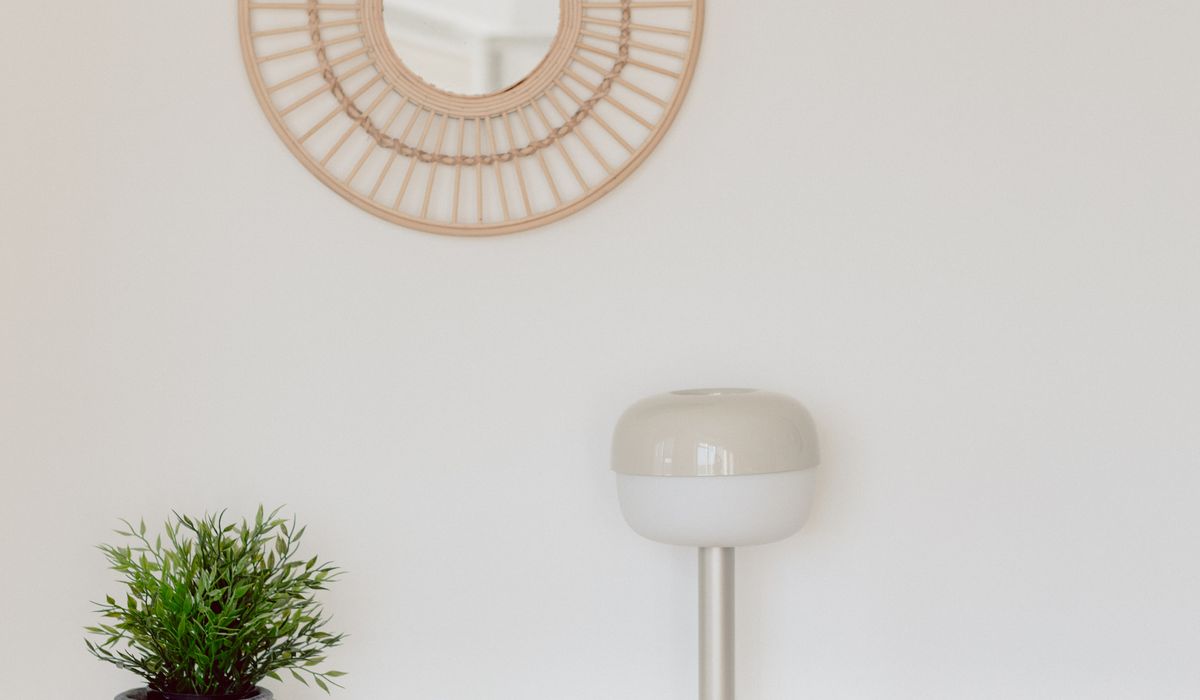
Selecting a Calm Colour Palette for Alcoves
Why an Alcove Reads Differently to the Rest of the Room
An alcove is a recess, and recesses behave differently from flat walls. Light falls away the deeper you go, so the back of the alcove will always sit several shades deeper than the opening, even if it is painted exactly the same colour as the chimney breast beside it. Add the shadow cast by the reveal — the vertical return at each side — and you have a small area that is naturally moodier, quieter and more enclosed than the rest of the wall.
That is not a problem to solve. It is the reason alcoves are so appealing. They give a room somewhere to gather itself: a place for shelves, a desk, a lamp, a chair and a stack of books. The trick is to decide what job you want the alcove to do, because that decision, rather than a trend, should drive the palette.
Start by Asking: Blend or Retreat?
There are two broad approaches, and both are calm for different reasons.
- Blend: the alcove is painted in the same or a closely related shade to the surrounding walls, so the recess becomes a quiet part of the wall rather than a feature. This makes small rooms feel more generous and stops an awkwardly proportioned alcove from dominating.
- Retreat: the alcove is painted in a deeper, richer shade, so it reads as a deliberate pocket of snugness. This works beautifully when the alcove has a clear purpose — a reading corner, a home desk, a bar shelf, a dressing table.
Neither is more sophisticated than the other. The mistake is doing half of each: a colour that is noticeably different but not confidently so, which tends to look accidental.
Soft Neutrals for a Seamless Finish
If you want the alcove to melt into the room, begin with the colour already on the walls. Painting the recess, its reveal and the chimney breast in one continuous colour is the most restful option available, and it will still look subtly two-toned thanks to the natural fall of light.
To add a whisper of definition, move one or two steps along the same colour family rather than jumping to a new one. A warm limestone wall with an oatmeal alcove, or a soft greige wall with a slightly paler chalky off-white inside the recess, gives depth without creating a hard edge. Keep skirting, architraves and shelf supports in the same finish as the rest of the room so the eye is not pulled sideways.
Finish matters here. A matt or dead flat emulsion on walls and the back of the alcove absorbs light gently and looks velvety; a washable matt is a sensible compromise in hallways, kitchens and children's rooms. Reserve eggshell for woodwork and any shelves you are painting in.
Deeper Shades for a Snug, Intentional Feel
Alcoves are the ideal place to be braver, because they are small and self-contained. A deep shade inside a recess rarely overwhelms a room in the way the same colour across four walls would.
The most calming deeper colours are desaturated rather than bright: a soft forest green, a sludgy olive, a slate blue, a warm charcoal, a dusty aubergine or a muted terracotta. These shades have grey or brown in them, which keeps them quiet under lamplight — important, because alcoves are often used in the evening.
Two practical rules keep a dark alcove calming rather than cave-like. First, keep the wider room paler so the contrast feels intentional; the alcove should feel like a considered detail, not a swallowed corner. Second, take the colour all the way through the recess — back, sides, reveal and the underside of the arch or shelf — so there are no pale interruptions breaking the effect. If you are painting in-built shelving, painting the whole unit the same shade as the wall is a wonderfully serene look, letting books and ceramics provide the colour.
Test the Colour in the Alcove Itself
Alcoves are unforgiving places to guess. Paint two coats onto a sheet of lining paper rather than directly onto the wall, then tape it to the back of the recess and leave it there for a few days. Look at it at breakfast, at midday and under the lamp you actually use in the evening.
- North-facing rooms throw a cool, bluish cast. Warmer deep greens, browns and ochres will feel kinder than cool greys.
- South-facing rooms carry warmth and light, so cooler greys, blues and stone tones hold their calm rather than turning sickly.
- Check the floor. A warm oak floor and a cool grey wall can fight each other; pulling a tone from the flooring into the alcove is a reliable route to harmony.
- Consider a wall light or small picture light before you commit, since the colour you choose will be seen mostly in the pool of light it creates.
Keeping It Calm Once the Paint Is Dry
Colour does most of the work, but styling can undo it. In a small recess, restraint reads as luxury. Leave a third of each shelf empty, group objects in odd numbers, and mix textures rather than colours — a woven basket, a linen-bound book, a stoneware vessel, a small framed print. Keep spines tidy but not regimented, and let a few objects sit slightly forward so the shelf does not look flat.
Choose one or two materials that echo the paint tone, such as rattan, aged brass or natural linen, and repeat them. Finally, if the alcove holds a chair or desk, add a single soft layer — a wool throw, a sheepskin, a cushion in a tone two steps lighter than the walls — to soften the transition between the deep recess and the room beyond. Done well, the alcove becomes the calmest corner in the house, and the colour does the quiet work of holding it together.
tag: Colour Schemes

Sophie Bramley Author
North-facing rooms can feel chilly, so warm terracotta, ochre and olive tones add depth without overwhelming the natural light.
YOU MAY ALSO LIKE
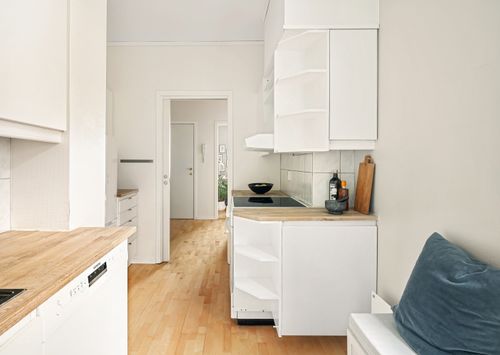
Using Earthy Tones in North-Facing Rooms
Aug 1
10With a spirit level, timber boards and concealed brackets, you can create neat floating shelves that fit an awkward recess perfectly.
read more
Building Simple Floating Shelves for an Alcove
Jul 27
10Sand, prime and repaint an old chest, then add new handles and felt liners to give it a fresh life in a bedroom or hallway.
read moreAlcove Ideas
-

ERRIC CATONA
A bay window can host a dressing table, a window seat or a small armchair, depending on how much light and privacy you need.
May 19, 2016 at 5.12 pm
Reply
ERRIC CATONA
Older bays often suffer from condensation and draughts, so check seals, add secondary glazing and ventilate the room regularly.
May 19, 2016 at 5.12 pm
Reply -
ERRIC CATONA
A slim console, wall hooks and a mirror can transform a narrow entrance into a practical and welcoming space for coats and keys.
May 19, 2016 at 5.12 pm
Reply
Bay Windows
Your email address will not be published.