
Bringing Coastal Calm to an Inland Home
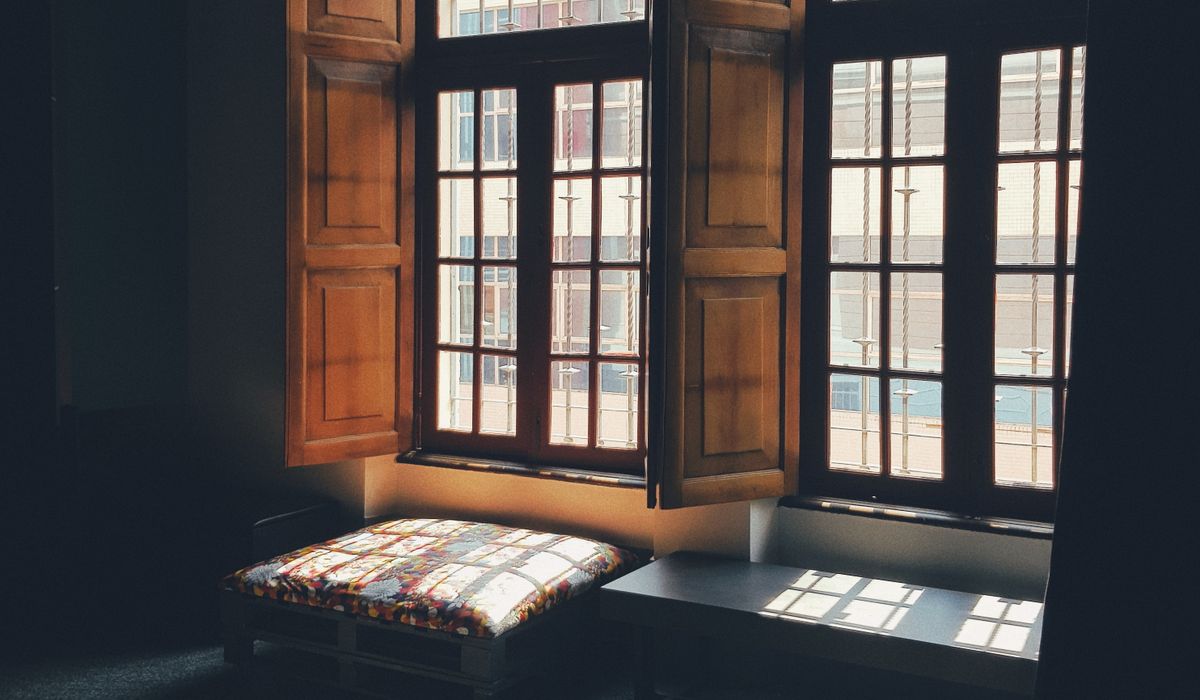
You do not need a sea view to feel the coast. Some of the most restful rooms in Britain sit miles from the shoreline — a terraced house in the Midlands, a flat above a shop in Leeds, a cottage tucked into a Chiltern valley — yet they carry the same easy, salt-washed calm as a beach hut. The secret is not to recreate the seaside, but to borrow its qualities: soft light, weathered surfaces, a restrained palette and plenty of natural texture.
The Coast Is a Feeling, Not a Postcode
Coastal styling goes wrong when it becomes literal. A parade of anchors, striped bunting and model lighthouses will make a room feel like a themed pub rather than somewhere to unwind. What actually creates that holiday-at-home feeling is atmosphere.
Ask yourself what a good seaside room does well. It is bright without being harsh, relaxed without being scruffy, and it never feels crowded. Those are the three qualities to chase, and all of them can be achieved in a north-facing back bedroom with no water for a hundred miles.
Build a Palette of Salt, Sand and Sky
Start with colour, because it does most of the work. A coastal scheme usually rests on four tones: a chalky off-white, a soft blue-grey somewhere between slate and duck egg, a pale sand or oatmeal, and one deeper shade — denim, faded navy or charcoal — to stop everything floating away.
Aim for roughly 60 per cent light neutral, 30 per cent blue-grey and 10 per cent darker accent. That ratio keeps a small room feeling open while still giving the eye somewhere to rest. Always test paint on a large sample board and move it around the room across a full day; blues in particular shift dramatically depending on whether your light is warm or cool, and a shade that sings in a sunny kitchen can turn icy in a dim hallway.
If the room is compact, paint the ceiling the same colour as the walls in a matt emulsion. It blurs the edges of the space and makes the ceiling feel taller than a stark white one would.
Weathered Wood and Natural Texture
Texture is what separates a calm coastal room from a cold, showroom-like one. Mix at least three materials in any small space, and let some of them look slightly imperfect.
- Limed or whitewashed timber for shelves, a small stool or a picture frame — liming wax or a diluted whitewash takes the orange out of new pine in an afternoon.
- Linen and cotton for curtains and loose covers. Unlined linen filters light beautifully and softens a hard-edged window.
- Jute, sisal or seagrass underfoot, layered over a pale carpet or a painted floor.
- Unglazed ceramic, glass and rope for vases, jars and handles — small details that catch the light.
Rattan and woven baskets work hard here too. A single woven pendant shade or a rattan armchair adds warmth and pattern without introducing another colour.
Small Spaces: Let the Light Work Harder
In a modest room, light is your most valuable material, so protect it. A few practical moves make a real difference:
- Hang curtains as high and as wide as you can — a track fixed 10–15cm above the frame and 20cm beyond each side makes a window read far larger.
- Keep window sills clear. One small plant or a single glass jar is plenty.
- Choose low-profile furniture with visible legs so floor space shows through, and swap a bulky sideboard for a slim console around 35cm deep.
- Use wall lights or a picture light instead of table lamps, freeing every surface for things you actually enjoy looking at.
- Hang one good mirror opposite the window. It doubles the light rather than merely reflecting a wall.
Style the Details Without Turning It Into a Theme
Coastal accessories should feel gathered rather than bought as a set. Group objects in odd numbers, and keep them on a tray or in a shallow bowl so they read as a considered collection rather than clutter.
A handful of pebbles, a jar of sea glass, a piece of driftwood on a shelf, a simple framed coastline print or an old ordnance map — these are enough. Choose one large piece of artwork over five small ones; scale is what makes a small room feel composed. Resist nautical novelties, and rotate your display every few months so the room stays alive.
Keep It Cosy, Not Cold
Blue-and-white schemes can tip into chilly, especially in winter, so add warmth deliberately. Layer a wool throw over the back of a sofa, drape a sheepskin across an armchair and mix in a chunky knit cushion or two. Warm white bulbs around 2700K, ideally on a dimmer, flatter pale walls far better than cool daylight ones.
Finally, think about touch as much as sight. A rug that feels good underfoot, a textured headboard, a candle in a plain glass holder — these are the details that turn a bright, breezy room into somewhere you want to curl up with a book while the rain runs down the windows. The coast, after all, is as much a mood as a place.
tag: Coastal Decor

Sophie Bramley Author
Subtle nautical touches work best when they are understated, such as a rope-wrapped mirror or a driftwood shelf in a hallway.
YOU MAY ALSO LIKE
Using Driftwood and Rope in Interior Details
Aug 24
10The space beneath a staircase can become a cloakroom, wine rack or pull-out pantry with careful planning and custom cabinetry.
read more
Clever Under-Stair Storage for Period Properties
Aug 21
10Chimney breasts create awkward recesses, but fitted wardrobes can turn them into streamlined storage with hanging space and drawers.
read moreAlcove Ideas
-

ERRIC CATONA
Combine a dimmable ceiling fixture with floor lamps, table lamps and wall lights to build a warm, flexible scheme for evenings.
May 19, 2016 at 5.12 pm
Reply
ERRIC CATONA
An adjustable wall light or slim floor lamp should cast a focused glow over your book without glaring into the rest of the room.
May 19, 2016 at 5.12 pm
Reply -
ERRIC CATONA
Darker shades can make an alcove feel intentional and snug, while soft neutrals help it blend seamlessly with the wider room.
May 19, 2016 at 5.12 pm
Reply
Bay Windows
Your email address will not be published.