
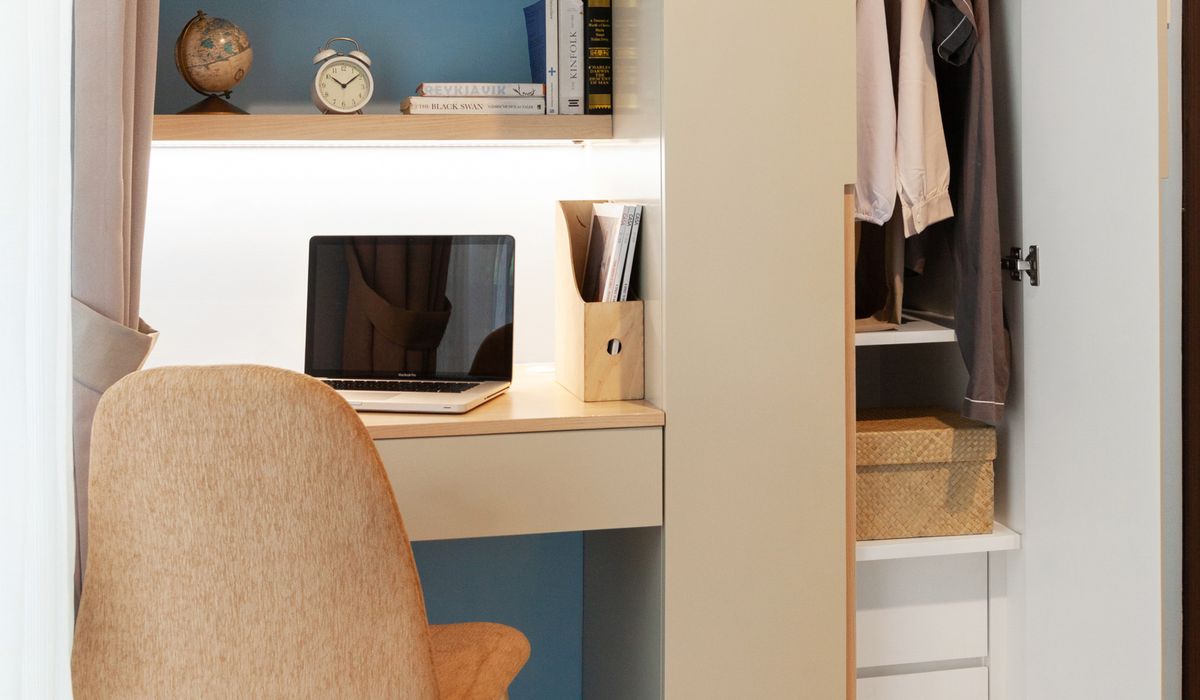
Using Baskets and Boxes to Organise Alcoves
Why Alcoves Attract Clutter
Alcoves are one of the loveliest features of older British homes. That recessed space beside a chimney breast was never designed for storage, yet it is exactly where most of us end up putting things: books, candles, remote controls, school letters, half-finished knitting, a stray phone charger. The shelves go up, the room looks promising for a fortnight, and then the whole thing turns into a dusty jumble.
The problem is rarely the shelving itself. It is the small stuff. Open shelves have no sides, no doors and no hiding places, so every loose item is on display and every mismatch of colour and shape is amplified. The answer is not to build cupboards or to give up on the alcove. It is to group the small items into baskets, boxes and lidded containers so that the eye reads a calm rhythm of shapes rather than a hundred tiny objects competing for attention.
Start by Sorting, Not Shopping
Before you buy a single basket, empty the alcove completely. Sort everything into three piles: things you use often, things you use occasionally, and things that belong somewhere else entirely. Be honest about the third pile — alcoves are notorious graveyards for items that never found a proper home.
Now look at what remains and group it by type rather than by shelf. You will usually find you have four or five natural categories:
- Reading material — paperbacks, magazines, notebooks
- Media and tech — cables, chargers, headphones, spare batteries
- Hobby and craft supplies — wool, sewing kit, paints, puzzles
- Household admin — letters to deal with, pens, stamps, receipts
- Decorative items — vases, candles, small ornaments you actually love
Each of those groups is a candidate for its own container. Knowing the groups first means you buy the right sizes rather than guessing, and you avoid the classic mistake of buying six matching baskets and then discovering that none of them fits the tallest books.
Choosing Containers That Suit the Room
The whole point of corralling is visual calm, so the containers need to feel like they belong. In a period living room with a fireplace, natural materials work beautifully: woven seagrass, jute, rattan, washed linen over a rigid frame, or plain kraft-covered board. In a crisp modern space, try solid matte finishes in a single colour — charcoal, oatmeal, sage — or plain white cardboard boxes with cut-out handles.
Texture matters as much as colour. Mixing one woven texture with one smooth finish is usually enough. Three or four competing textures in a small alcove starts to look busy again, which defeats the purpose.
Aim for a limited palette. Two or three tones drawn from the room's existing scheme will always look more considered than a rainbow of storage. If your alcove is beside a chimney breast painted in a soft off-white, baskets in oatmeal and pale grey will settle in perfectly. If you have a dark navy wall, natural jute adds warmth and contrast without shouting.
Matching Containers to Shelf Heights
Measure before you buy. Alcoves are often shallower or narrower than they look, and shelf heights vary wildly. A few practical rules help:
- Top shelves: lidded boxes or baskets with handles look best here, because you can reach up and lift the whole thing down. Store the things you use least — spare bedding, seasonal decorations, archived photos.
- Middle shelves, at eye level: this is prime display space, so use open baskets or shallow trays holding items you want to see. A woven tray of candles and a small jug looks styled rather than stored.
- Lower shelves: heavier lidded containers work well, and they hide the messiest categories — cables, craft supplies, children's toys. A deep basket of wool or a stack of lidded boxes reads as furniture from across the room.
- Floor level: large lidded baskets or a wooden crate handle bulky items such as throws, board games or shoes.
Leave a little breathing space above each container. Containers jammed tight against the shelf above look cramped; a couple of centimetres of air makes the whole arrangement feel lighter.
Labelling Without Spoiling the Look
Labelled boxes are only useful if the labels are discreet. Handwritten chalk labels, small kraft tags tied with twine, or plain white adhesive labels in a neat hand all work. Avoid printing large glossy stickers for a sitting room — they belong in a utility cupboard.
A simple approach is to label by category rather than by contents: Cables, Craft, Letters, Winter. You will still know what is inside, and the alcove stays tidy. If you would rather have no visible labels at all, use a consistent container per category so you learn the system by sight within a week.
Keep a light touch with the decorative items too. One or two objects per shelf, given a bit of space, will do more for the room than a dense display. The containers are doing the hard work; the ornaments are just the finishing note.
Keeping the System Working
Any storage system fails if it is not maintained, and alcoves are particularly prone to slow creep. Set a small weekly habit: when you tidy the room, anything that belongs in a basket goes back in its basket, and nothing new is allowed to sit loose on the shelves. Once a season, empty one container at a time and check that its contents still earn their place.
If a category keeps overflowing its container, that is a signal to reduce rather than to buy a bigger basket. Alcoves reward restraint. A few well-chosen baskets, boxes and lidded containers, in materials and colours that echo the room, will turn an awkward recess into one of the calmest corners of the house — and the open shelving you loved in the first place will finally look as good as you imagined.
tag: Storage Solutions

James Whitcombe Author
Linen, jute, rattan and pale timber layers create a relaxed coastal mood without relying on obvious nautical ornaments or themed accessories.
YOU MAY ALSO LIKE
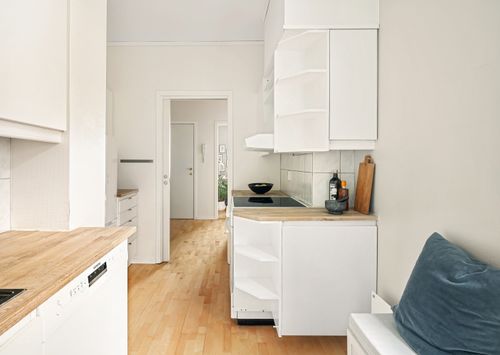
Mixing Natural Textures for a Coastal Look
Jul 3
10Warm white bulbs suit living rooms and bedrooms, while cool white can work in utility areas where clear task lighting is more important.
read more
Warm White Bulbs Versus Cool White Bulbs
Jul 1
10Painting the back of an alcove in a deeper shade can make shelves pop and turn a simple recess into a focal point.
read moreAlcove Ideas
-

ERRIC CATONA
Choose a firm foam pad, measure the bay carefully, and sew a removable cover so the cushion can be washed when needed.
May 19, 2016 at 5.12 pm
Reply
ERRIC CATONA
Measure the recess carefully, add a slim desk and floating shelves, and use vertical space to create a focused work area.
May 19, 2016 at 5.12 pm
Reply -
ERRIC CATONA
Group books by colour, mix in ceramics and framed art, and leave breathing room so each shelf feels calm and considered.
May 19, 2016 at 5.12 pm
Reply
Bay Windows
Your email address will not be published.