
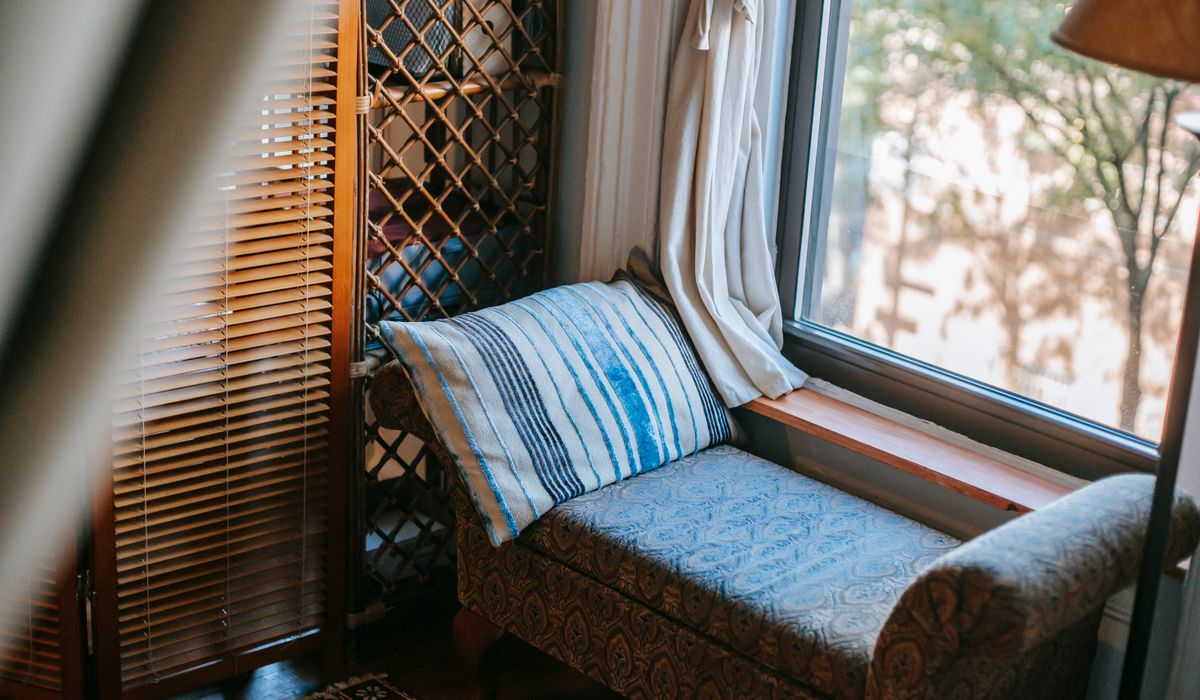
How to Turn a Narrow Alcove into a Useful Home Office
Start with a tape measure, not a wish list
Alcoves are rarely as generous as they look from the doorway, and almost never square. Before you buy anything, measure the width of the recess at three points — floor level, waist height and just below the top — because in older properties the plaster can bow by 20mm or more over a single metre. Measure the depth too, from the back wall to the front edge of the chimney breast, and note anything that steals space: skirting boards, a dado rail, a radiator, an awkward gas pipe running up the corner.
Then measure the things that will actually live there. A laptop needs around 320mm of depth to sit comfortably; an A4 folder needs 300mm; a printer often wants 400mm. Add those up and you will quickly see whether a standard 600mm-deep desk is realistic. In most narrow alcoves it is not — and that is fine, because 450mm is plenty for a working surface.
As a rule, subtract 40mm from your narrowest width measurement when ordering a desk top or fitted shelf. That gap lets you ease the piece in without chipping plaster and allows for a little thermal movement in timber. Also check the height of any window sill or radiator valve you need to clear.
Choosing a desk that earns its footprint
Slim is the watchword. A wall-mounted top supported by timber battens fixed to three sides of the recess gives you the largest possible surface with no legs to negotiate, and it makes the floor beneath feel open rather than cluttered. Batten at 70mm x 40mm, screw into brickwork with suitable plugs, and line the battens with a thin strip of draught excluder or foam so the top sits flush and quiet.
If you would rather have something freestanding, look for a console table or narrow writing desk between 400mm and 480mm deep, and check the leg position — many have legs inset only slightly, which is fine, but a splayed leg will foul the skirting. Standard desk height is 730–750mm, which suits most people when paired with a chair whose seat sits at 450mm.
- Depth: 450mm is the sweet spot for a laptop, notebook and a mug.
- Width: leave at least 700mm clear for knees and elbows.
- Fixings: alcove walls are often brick behind plaster; use frame fixings rather than plasterboard plugs.
- Colour: painting the desk the same shade as the walls makes a small recess feel wider.
Go upwards with floating shelves
Vertical space is the whole point of an alcove, so let the wall do the storage work. Floating shelves — 20–25mm thick and no deeper than 250mm — will hold books, a couple of storage boxes and a small plant without crowding your head as you work.
Space them thoughtfully. Leave at least 450mm between the desk surface and the underside of the first shelf so you can open a laptop screen and position a monitor. Above that, 300–350mm gaps work well for paperbacks and A4 box files. Stop the top shelf around 200mm below the ceiling; a shelf crammed against the cornice looks heavy and is awkward to reach.
Where you can, fit shelves that span the full width of the recess and scribe the ends to the wall. It looks deliberate and stops pens rolling into the gap. If the walls are noticeably out of true, a slim strip of matching trim at each end hides the join neatly.
Sort out light and power early
An alcove desk without good light is a gloomy place to spend a Tuesday afternoon. Position the desk so you are not facing a blank wall if there is a window nearby, and add a task lamp with a warm bulb — around 2700–3000K — that you can angle across your work. A slim wall light or picture light above the shelves gives a soft wash of background light and makes the recess feel like a purpose-built nook.
Power is the detail people forget. If there is a socket nearby, run a surge-protected extension lead behind the skirting and bring it up the back corner in a slim length of self-adhesive trunking, painted to match the wall. If there is no socket at all, it is worth having one fitted by a qualified electrician before you commit to the layout; a spur on the adjoining wall is usually a straightforward job and transforms how usable the space feels. Keep charging cables tidy with clips along the underside of the desk top, and consider a lidded box on the shelf for chargers, adapters and the tangle of leads nobody wants to look at.
Finishing touches that keep it calm
A narrow desk gets messy fast, so build in somewhere for things to go. A shallow drawer or a lidded box under the desk takes paperwork and stationery out of sight, and a fabric-covered pinboard on the wall behind the shelves is far kinder on the eye than a mess of sticky notes.
- Choose a chair no wider than 500mm so it tucks fully under the desk.
- Hang or lean a mirror on the opposite wall to bounce daylight into the recess.
- Keep the desk top 80 per cent clear; one small plant, one lamp, one notebook.
- If the alcove sits in a through-room, a slim curtain or a pair of narrow bifold doors lets you close the workspace off at the end of the day.
Narrow alcoves reward patience more than budget. Measure twice, keep the desk slim, build upwards, and you will end up with a focused corner that feels intentional rather than squeezed in.
tag: Alcove Ideas

Sophie Bramley Author
Group books by colour, mix in ceramics and framed art, and leave breathing room so each shelf feels calm and considered.
YOU MAY ALSO LIKE
Styling Open Alcove Shelves Without Creating Clutter
Sep 21
10A bespoke bench with hidden storage makes the most of a bay, offering a comfortable spot for reading and watching the street.
read more
Building a Window Seat in a Bay Window
Sep 16
10Bay windows need flexible window dressings, so consider made-to-measure Roman blinds, thermal curtains or a combination that suits the room.
read moreAlcove Ideas
-

ERRIC CATONA
Victorian terraces often have awkward corners, but bespoke joinery, folding furniture and clever lighting can make every inch count.
May 19, 2016 at 5.12 pm
Reply
ERRIC CATONA
Use tall pull-out larders, wall rails and drawer dividers to keep utensils tidy without losing precious worktop space in a small kitchen.
May 19, 2016 at 5.12 pm
Reply -
ERRIC CATONA
You do not need a sea view to evoke the coast; weathered wood, soft blues and natural textures can create a relaxed seaside feel.
May 19, 2016 at 5.12 pm
Reply
Bay Windows
Your email address will not be published.