
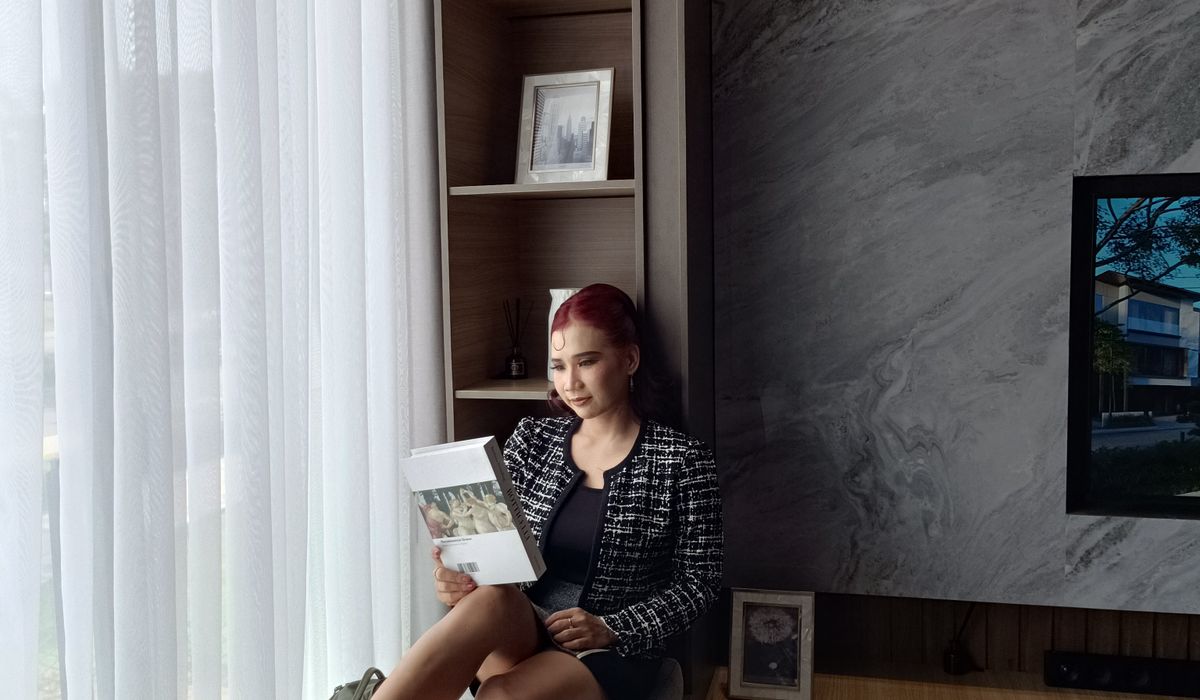
Creating a Built-In Wardrobe Around a Chimney Breast
Turning an Awkward Recess Into Your Best Storage
Almost every older British home has one: a chimney breast that juts into the room and leaves two shallow alcoves either side — each a little too narrow for a freestanding wardrobe and a little too deep to ignore. Most of us fill them with whatever fits and hope for the best. There is a better answer, and it is one of the few genuinely transformative jobs you can do in a small bedroom: build the wardrobe around the chimney breast instead of beside it.
Done well, it reads as part of the architecture. The breast becomes the centre of a wall of storage rather than an obstacle, and the recesses stop being dead space.
Measuring Before You Commit
Everything depends on the numbers, so take them properly before you choose a single door style.
- Projection of the chimney breast. In most period homes this falls between 300mm and 400mm, and it largely dictates how deep your alcove wardrobes can be.
- Alcove width. Narrow alcoves under 700mm suit a single door with internal drawers; 900mm or more opens up double hanging.
- Ceiling height. Full-height units to the ceiling give you valuable extra storage and look more built-in than anything with a gap above it.
- Obstructions. Note radiators, sockets, switches, picture rails and skirting depth, plus any door swing into the room.
Internal depth matters more than external. A full-size adult hanger needs roughly 580mm of clear internal depth so the door does not press against the shoulders, so a shallow alcove may need to be built forward slightly — sacrificing a little floor space in exchange for genuinely usable hanging.
Getting the Internals Right
Hanging heights are where fitted wardrobes succeed or fail. A double-hanging section suits shorter garments: allow about 1000mm clear under the rail for shirts and blouses, and 900mm for folded-over trousers. Full-length hanging for dresses and coats needs roughly 1500mm, so reserve that for one side of the breast rather than both.
Drawers work best below the hanging, around 500mm deep and no wider than 800mm — about the comfortable limit before they start to rack. A run of three shallow drawers plus one deeper one handles jumpers and underwear neatly, and a slim pull-out tray for jewellery takes almost no space at all.
Shelving above, at 300mm to 350mm deep, suits bags, spare bedding and the suitcase you use twice a year. If the flue is open or unvented, leave a small vent or access hatch: never seal a chimney without checking it is properly capped and ventilated, because trapped moisture behind a wardrobe is a slow, expensive problem.
Choosing Doors and Finishes
The most successful designs make the chimney breast and the wardrobes feel like one piece. Paint them the same colour as the walls — a soft off-white, a warm clay, a deep green in a moody bedroom — and the cabinets recede rather than shout.
Shaker doors suit period homes and are forgiving to clean. Slab or handleless fronts feel more contemporary and are excellent in small rooms because nothing protrudes. Short brass knobs are charming but catch sleeves; consider edge pulls or push-to-open in narrow alcoves.
Practical Details That Save You Later
- Lighting. Battery or low-voltage LED strips inside the wardrobe, plus a slim wall light beside the mirror, transform a dark corner. Get the wiring in before the carcasses go up.
- Trim. Run new cornice and skirting around the units so they look intentional rather than inserted.
- Ventilation. Leave a 50mm gap behind the units where possible, and never block an air brick.
- Levelling. Fitted units are heavy; adjustable feet over carpet keep doors true for years.
Styling a Small Room Around Your New Wardrobe
Once the storage is in, keep the rest of the room calm. Paint the alcoves in the same shade as the wardrobes so the eye travels past them, and hang a mirror on the flat face of the chimney breast to bounce light sideways and make the wall feel less solid.
Baskets and boxes on high shelves should be plain and few — a jumble of sizes undoes the neatness the fitted wardrobe worked so hard to create. If the ceiling is low, keep the tops clear; if it is high, one or two matching trunks read as deliberate.
Finally, be honest about how much you own. These wardrobes are generous, but not infinite, and a quarterly clear-out keeps the system working. The real luxury is that, unlike a freestanding wardrobe, a fitted wall never needs moving to make the room make sense.
tag: Storage Solutions

Emily Hartley Author
Combine a dimmable ceiling fixture with floor lamps, table lamps and wall lights to build a warm, flexible scheme for evenings.
YOU MAY ALSO LIKE
Layering Lighting in a Cosy Living Room
Aug 14
10An adjustable wall light or slim floor lamp should cast a focused glow over your book without glaring into the rest of the room.
read more
Choosing the Right Light for a Reading Nook
Aug 9
10Darker shades can make an alcove feel intentional and snug, while soft neutrals help it blend seamlessly with the wider room.
read moreAlcove Ideas
-

ERRIC CATONA
North-facing rooms can feel chilly, so warm terracotta, ochre and olive tones add depth without overwhelming the natural light.
May 19, 2016 at 5.12 pm
Reply
ERRIC CATONA
With a spirit level, timber boards and concealed brackets, you can create neat floating shelves that fit an awkward recess perfectly.
May 19, 2016 at 5.12 pm
Reply -
ERRIC CATONA
Sand, prime and repaint an old chest, then add new handles and felt liners to give it a fresh life in a bedroom or hallway.
May 19, 2016 at 5.12 pm
Reply
Bay Windows
Your email address will not be published.