
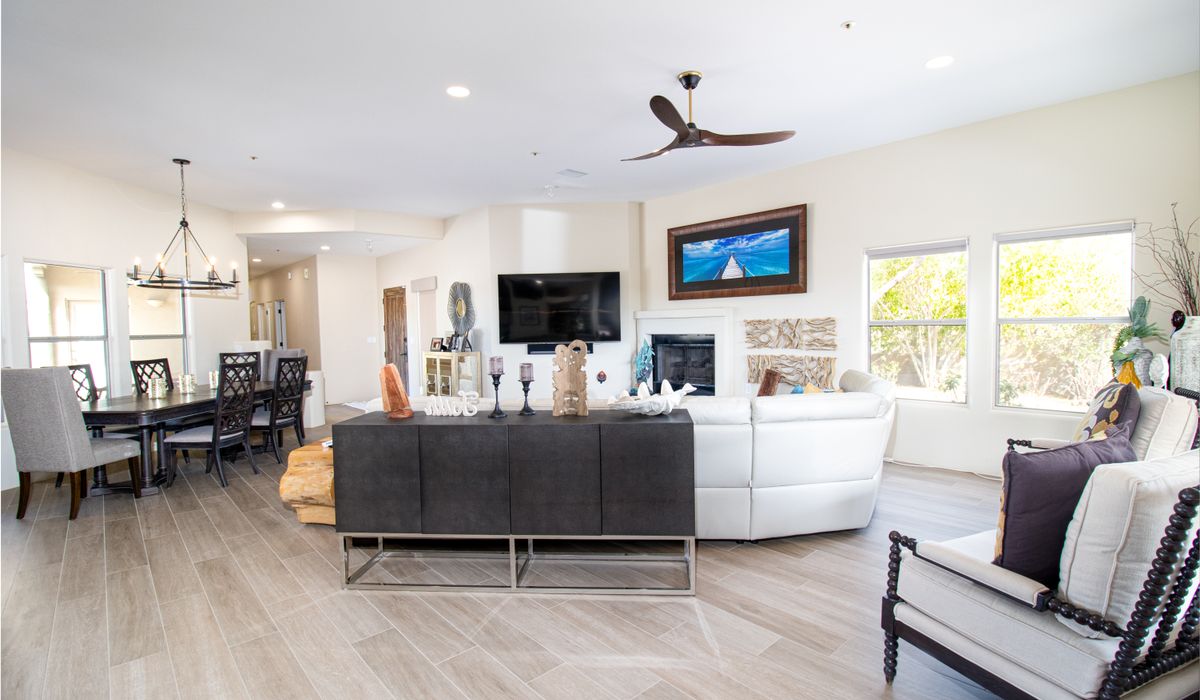
Mixing Natural Textures for a Coastal Look
Start With Texture, Not a Theme
The quickest way to make a coastal scheme look dated is to buy into the theme. Rope-wrapped mirrors, ceramic gulls on the shelf, a lighthouse print above the sofa — charming, perhaps, but they date fast and they rarely suit the proportions of a small room. What actually reads as coastal is simpler and more hardworking: a palette of natural materials that catch and soften daylight in different ways. Linen, jute, rattan and pale timber each behave differently under a British window, and layered together they give you a room that feels bright but soft, calm but textured. Take away every shell and the mood survives perfectly well.
Think of it as a four-part recipe. Linen for softness, jute for weight, rattan for structure, and pale timber to hold it together. Get that balance right and you will not need a single themed accessory.
Linen: The Soft Base Layer
Linen does the heavy lifting because it is matte, slightly slubby and reflects light rather than bouncing it back at you. Start with what you actually touch. A washed linen duvet cover in oatmeal, chalk or pale grey-blue sets the tone for the whole room, and it improves with every wash. For windows, choose washed linen or a linen-cotton union rather than a stiff, formal fabric — it hangs with a relaxed droop that suits the look.
A practical note on curtains: hang them as close to the ceiling as you can and let them run a little beyond the frame on both sides. In a small room this buys you visual height without eating floor space, and full-width panels look far more generous than narrow ones.
If linen bedding feels like a stretch, use it in smaller doses first: two cushion covers, a table runner, a lampshade. Keep the palette tight — three neutrals is plenty — and let the texture do the talking.
Jute, Sisal and Seagrass Underfoot
Bare boards and pale timber floors need something to anchor them, and this is where woven fibres earn their keep. Jute is the softest and chunkiest; sisal is finer and more formal; seagrass has a slight sheen and a rougher, more rustic weave. All three bring warmth without pattern, which matters enormously when you are layering.
Sizing is where most small rooms go wrong. Aim for a rug that extends roughly 60cm beyond the front edge of your sofa, so at least the front legs sit on it. In a tight sitting room, a 160 x 230cm jute rug will usually do the job, leaving a slim border of timber visible at the edges so the floor still reads as one continuous surface.
Jute can feel scratchy underfoot, so layer a smaller cotton or wool flatweave on top in the area where you actually sit. It softens the texture, adds a second tone and gives you something washable in the highest-traffic spot.
Rattan and Cane for Structure
Woven furniture gives a room shape without visual weight. Because cane and rattan are open, you can see the wall or floor through them, which is exactly what a small room needs — a chair that occupies space without blocking it. A single cane armchair, a pair of dining chairs, or a woven headboard is usually enough to make the point.
Look for pieces with a tight, even weave and a matte finish rather than a heavy lacquer. Vintage baskets and trunks are worth collecting because older cane tends to be finer and tones down to a soft honey colour. In a compact flat, use rattan high up: a woven pendant shade, a shallow basket shelf, a mirror with a cane frame. It draws the eye upwards and keeps the floor clear.
Pale Timber and Weathered Surfaces
Timber is your anchor tone. Think limed oak, white-oiled ash, birch and driftwood greys — anything bleached or washed back rather than left orange. If you already own a pine piece, a coat of liming wax or a diluted white wash will pull it into line in an afternoon.
Stick to two timber tones as your base and add a third only as a small accent. A pale oak coffee table with ash shelving reads calmly; adding dark walnut in the same eyeline starts to fight the light, airy mood. Weathered surfaces work well too — an old scrubbed stool, a paint-flecked crate used as a side table. In small rooms, a slatted timber wall or a pale timber floor is a better investment than more furniture.
Pulling It Together in a Small Space
Layering is the whole trick, but it needs discipline. A few rules that keep a compact room feeling open:
- Keep to three or four neutrals. Oatmeal, chalk, soft grey-blue and warm white will mix without ever clashing.
- Swap pattern for texture. Where you might normally add a printed cushion, add a chunky knit, a bouclé or a slubby linen one instead.
- Layer your light. Sheer linen at the window, an opaque blind behind it, and two warm lamps at different heights. Coastal rooms look best in diffused, uneven light.
- Choose low, leggy furniture. Raised legs and low backs keep sightlines open, which makes a small room feel wider than it is.
- Leave a timber border. Whatever rug you choose, let the floor show around the edges.
Finally, look after the materials so they age well. Shake jute rugs out monthly and rotate them twice a year to avoid worn patches. Wash linen at 30 degrees with a gentle detergent and skip the tumble dryer — line drying gives it that soft, slight crumple that makes the whole scheme work. Done well, this is a look that improves as it wears in.
tag: Coastal Decor

Emily Hartley Author
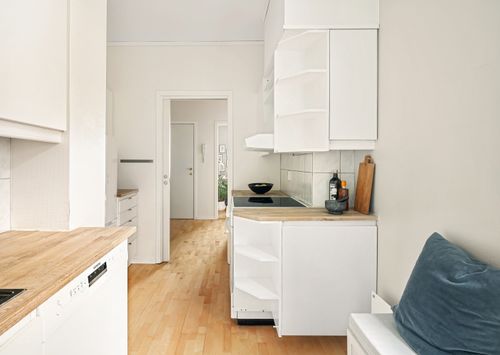
Warm white bulbs suit living rooms and bedrooms, while cool white can work in utility areas where clear task lighting is more important.
YOU MAY ALSO LIKE
Warm White Bulbs Versus Cool White Bulbs
Jul 1
10Painting the back of an alcove in a deeper shade can make shelves pop and turn a simple recess into a focal point.
read more
Painting Alcoves to Create Depth and Interest
Jun 26
10Choose a firm foam pad, measure the bay carefully, and sew a removable cover so the cushion can be washed when needed.
read moreAlcove Ideas
-

ERRIC CATONA
Measure the recess carefully, add a slim desk and floating shelves, and use vertical space to create a focused work area.
May 19, 2016 at 5.12 pm
Reply
ERRIC CATONA
Group books by colour, mix in ceramics and framed art, and leave breathing room so each shelf feels calm and considered.
May 19, 2016 at 5.12 pm
Reply -
ERRIC CATONA
A bespoke bench with hidden storage makes the most of a bay, offering a comfortable spot for reading and watching the street.
May 19, 2016 at 5.12 pm
Reply
Bay Windows
Your email address will not be published.