
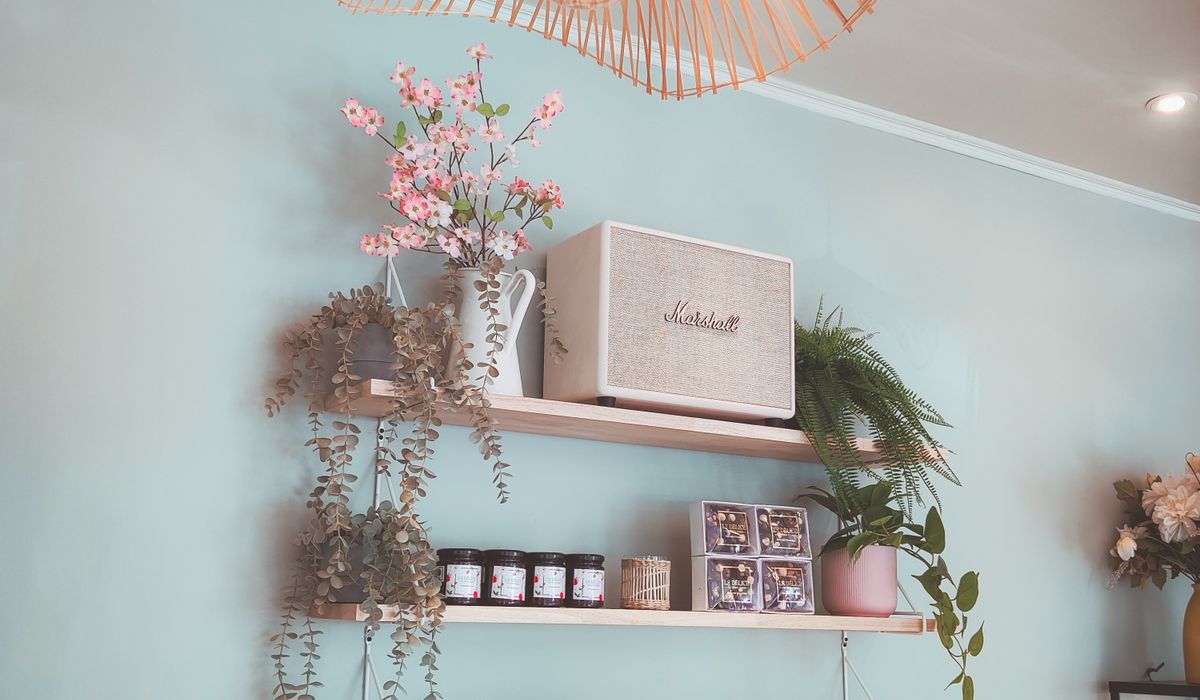
Using Earthy Tones in North-Facing Rooms
Why north-facing rooms behave differently
North-facing rooms receive indirect light all day. There is no direct sun, no bright patch tracking across the floor, and the light that does arrive carries a cool, faintly blue cast. In practice that means two things: colours look cooler and greyer than they did on the paint card, and shadows are soft and even rather than dramatic. A pale grey wall that feels calm and elegant in a south-facing sitting room can look flat, chilly and slightly institutional in a north-facing one.
The upside is consistency. North light does not bleach or flare, so deep, saturated tones stay true instead of being washed out by strong sun. That is precisely why earthy pigments earn their place here. Terracotta, ochre, olive and clay are warm enough to counteract the blue in the light without fighting it, and they add depth to a room that might otherwise feel thin.
Start with a base that holds warmth
Begin with a warm neutral rather than a flat chalk white. Look for shades described as clay, mushroom, oatmeal, stone or pale russet, and hold them against the wall in the actual room before you commit. A colour that looks beige in a bright shop can turn distinctly mauve under north light.
A practical trick: paint large swatches onto lining paper rather than the wall itself, then move them around the room through the day. Check them at 8am, at midday and again at 7pm under your lamps. North light shifts noticeably between seasons too, so a tone that feels cosy in January may read as washed out in June. Once you have your base, build a palette of three: a warm neutral for the bulk of the walls, a mid-tone such as olive or soft clay, and a single accent in burnt orange, mustard or rust.
Balance depth with light
The old instinct is to keep north-facing rooms pale so they stay bright. A better approach is to be deliberate about where the depth goes. Roughly sixty per cent of the room in your warm neutral, thirty per cent in a mid-tone, and ten per cent in the accent gives you richness without shutting the light down.
Use the darker tones where they do least harm: the wall behind the sofa, a chimney breast, the alcoves either side of a fireplace, or below a dado rail. Keep the ceiling and woodwork a warm off-white, ideally with a trace of pink or cream rather than brilliant white, which turns grey against a cold light. If you want to be bolder, painting all four walls in a deep olive or earthy clay can work beautifully in a small north-facing room, provided the ceiling, skirting and door frames stay light to bounce what light there is back into the space.
Let texture do the heavy lifting
Earthy palettes come alive through surface and material. Matte finishes absorb light softly and stop a warm wall from looking slick, so favour limewash, clay paint and chalky emulsions over anything with sheen. Then layer in materials that add warmth by touch as much as by colour:
- Undyed wool, bouclé or chunky knitted throws in oatmeal and camel
- Raw linen curtains and cushions, which soften the light as it enters
- Aged brass, bronze or blackened metal for handles and lamp bases
- Dark or mid-toned wood — walnut, oak, reclaimed pine — for tables and shelving
- Terracotta pots, rattan, jute and unglazed ceramics for lower-level interest
Contrast matters as much as warmth. Set a rough plaster wall against a smooth linen shade, or a coarse jute rug against a polished wooden floor, and the whole scheme reads as considered rather than merely beige.
Small rooms, north light: styling that works
Where space is tight, clutter and colour compete for the same visual room, so edit hard. A few moves make a real difference:
- Keep as much floor visible as possible; low, leggy furniture makes a compact room feel taller and airier
- Choose one generous rug in rust or olive rather than several small ones, which chop the floor into segments
- Hang curtains from close to the ceiling and let them reach the floor, in a lined linen rather than a heavy dark fabric that blocks light
- Place a mirror opposite the window, never on the shaded wall, to double the light without doubling the clutter
- Swap table lamps for wall lights to free up surface space, and use a slim floor lamp in the corner instead of a bulky side table
- Layer upwards — high shelves, a tall plant, a pendant — so the eye travels up into the light
Lighting and the finishing layer
Artificial light is where north-facing rooms are won or lost. Cool white bulbs will undo every warm pigment you have chosen, so stick to warm white bulbs around 2700K and put them on dimmers wherever you can. Aim for three points of light at different heights — a ceiling fitting, a wall or table lamp at sitting height, and something low such as a floor lamp — so the room has pools of warmth rather than one flat wash.
Linen and paper shades diffuse light gently and suit an earthy scheme far better than anything metallic or glossy. Candles, a low lamp in a corner and a few well-placed ceramics will finish the job, giving a north-facing room the one thing it lacks naturally: the sense that the sun has recently been in it.
tag: Colour Schemes

Oliver Kingsley Author
With a spirit level, timber boards and concealed brackets, you can create neat floating shelves that fit an awkward recess perfectly.
YOU MAY ALSO LIKE
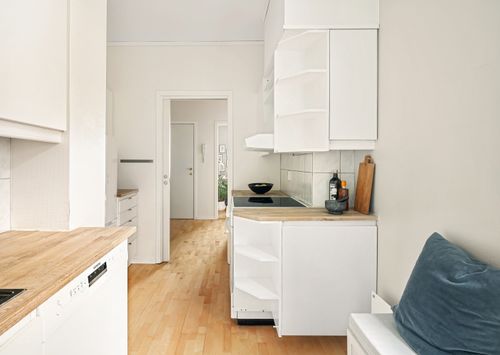
Building Simple Floating Shelves for an Alcove
Jul 27
10Sand, prime and repaint an old chest, then add new handles and felt liners to give it a fresh life in a bedroom or hallway.
read more
Upcycling a Chest of Drawers for Extra Storage
Jul 25
10A bay window can host a dressing table, a window seat or a small armchair, depending on how much light and privacy you need.
read moreAlcove Ideas
-

ERRIC CATONA
Older bays often suffer from condensation and draughts, so check seals, add secondary glazing and ventilate the room regularly.
May 19, 2016 at 5.12 pm
Reply
ERRIC CATONA
A slim console, wall hooks and a mirror can transform a narrow entrance into a practical and welcoming space for coats and keys.
May 19, 2016 at 5.12 pm
Reply -
ERRIC CATONA
Open shelving looks tidier when small items are corralled into matching baskets, labelled boxes or lidded containers that suit the room.
May 19, 2016 at 5.12 pm
Reply
Bay Windows
Your email address will not be published.