
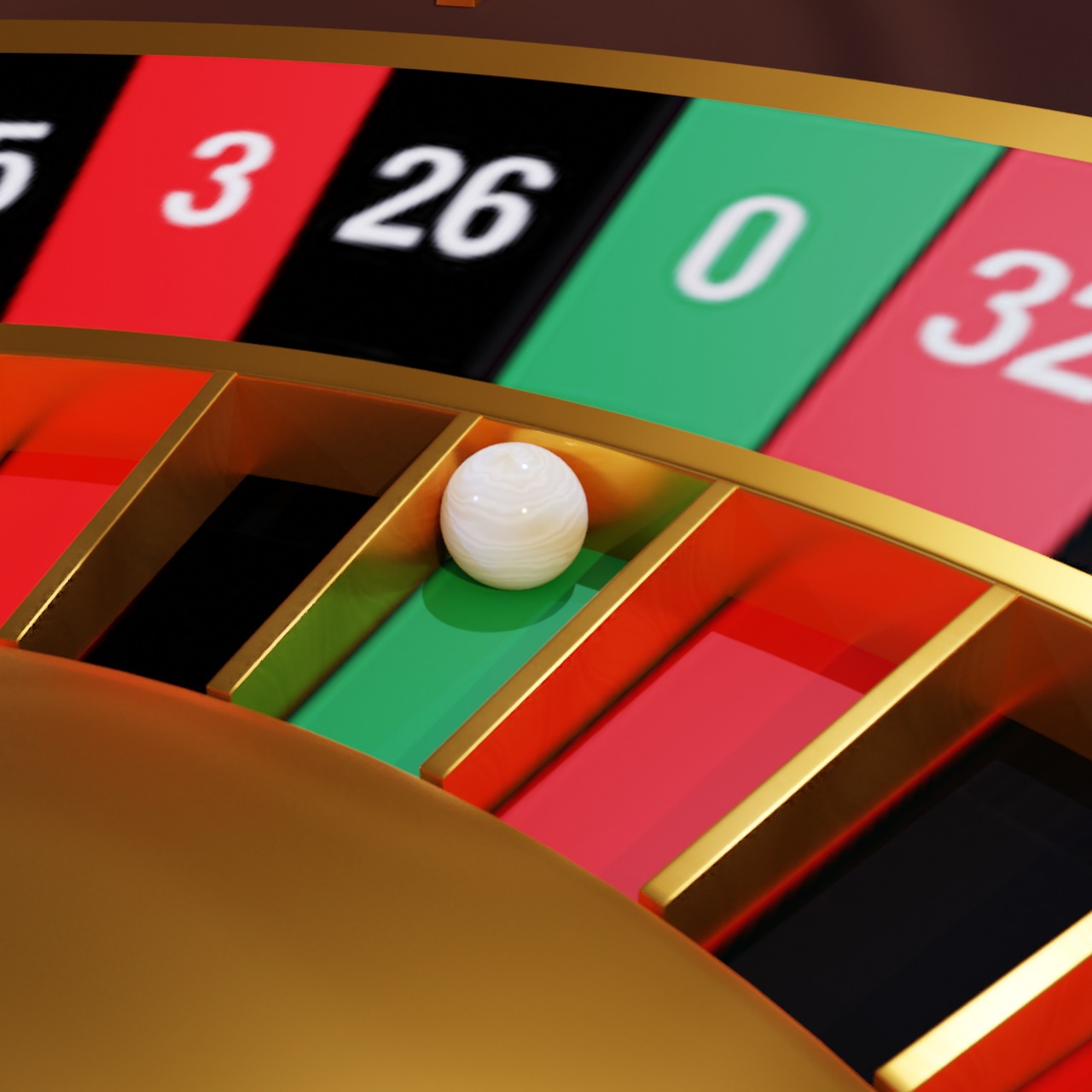
The Realities of iGaming: Casino, Betting, Slots, and Poker in 2025
You’ve seen the flashy ads. The grinning twenty-somethings holding oversized checks. The promise of a life-changing jackpot from a 50-cent spin. But what’s actually happening behind the pixels and the LED lights? The iGaming industry is a beast that never sleeps, generating billions in revenue while constantly reinventing how we wager. Whether you’re a casual slot spinner, a sports betting die-hard, or a poker grinder chasing that final table, the landscape has shifted dramatically in the last few years. Let’s cut through the noise and talk about what matters: the games, the math, the psychology, and the smart ways to navigate it all.
The Slot Machine Paradox: Why We Love the Spin
Slots are the undisputed king of the casino floor, both digital and physical. They’re simple, hypnotic, and require zero skill—which is exactly why they’re so dangerous and so appealing. Modern online slots are not your grandfather’s three-reel machines. We’re talking about Megaways mechanics that offer 117,649 ways to win, cluster pays systems, and bonus buy features that let you skip straight to the free spins for a price.
Here’s a concrete example: a popular slot like Sweet Bonanza has an RTP (Return to Player) of 96.51%. That means for every $100 wagered, the machine is programmed to pay back $96.51 over the long run. But that “long run” could be millions of spins. In a single session, you could hit a 10,000x multiplier or lose your entire bankroll in twenty minutes. The volatility is the thrill. High-volatility slots pay less often but can drop massive wins. Low-volatility slots nickel-and-dime you with frequent small payouts.
Pro tip: Always check the RTP and volatility rating before you play. Anything under 96% is below average. And never chase a “due” jackpot—each spin is independent. The machine doesn’t remember you.
Sports Betting: Beyond the Point Spread
If slots are the casino’s cash cow, sports betting is its wildfire. The US Supreme Court’s 2018 decision to overturn the federal ban on sports wagering opened the floodgates. Now, you can bet on everything from the Super Bowl to whether a specific player will get a yellow card in a Premier League match. But here’s the thing: the margins are tight, and the books are smart.
Let’s talk numbers. A standard point-spread bet has a -110 line. That means you need to wager $110 to win $100. The implied probability of that bet winning is 52.38%. The sportsbook’s hold (vigorish) is roughly 4.5% on that bet. Over time, that edge is how they build skyscrapers. So how do you actually win?
- Line shopping: Different books offer different lines. That half-point difference between -3 and -3.5 can be the difference between a push and a loss.
- Prop bets: Player props often have softer lines because they’re less efficient than game totals.
- Live betting: Odds shift in real-time. If you’re watching the game and see a team dominating but trailing, there’s value in the live market.
But don’t kid yourself. The books aren’t charities. They employ quants and algorithms that make Wall Street look like a lemonade stand. Bet for entertainment, not as a second income.
Poker: The Last Bastion of Skill
Poker is the only game in the casino where you play against other people, not the house. That’s why it attracts a different breed. The online poker boom of the early 2000s may have cooled, but the game is alive and well on platforms like PokerStars, GGPoker, and WSOP.com. The difference now? The competition is tougher.
Twenty years ago, you could beat $1/$2 no-limit hold’em by playing tight and waiting for aces. Today, even micro-stakes players use solvers—software that calculates game-theory optimal (GTO) strategies for every possible situation. If you’re not studying, you’re donating.
Here’s a quick breakdown of what separates winners from losers: You can read more about it on iwin68club.it.com.
- Bankroll management: Never buy into a cash game for more than 5% of your total poker bankroll. For tournaments, it’s 2%.
- Position awareness: Acting last is a massive advantage. Play more hands from the button, fewer from the blinds.
- Player profiling: Tag opponents as tight, loose, aggressive, or passive. Adjust your strategy accordingly.
- Emotional control: Tilt is the silent killer. If you lose a bad beat and feel your heart racing, stand up. Walk away.
The beauty of poker is that the fish are still out there. They just hide better. Find a table with a high percentage of players seeing the flop, and you’ve found your edge.
The Psychology of the Bet: Why We Can’t Stop
iGaming isn’t just about math and strategy. It’s about dopamine. The anticipation of the spin, the crack of the bat, the river card—these moments trigger a neurochemical cascade that keeps us coming back. Casinos and betting apps are designed to exploit this. Variable ratio reinforcement schedules (think slot machines) are the most addictive pattern known to behavioral psychology. You never know when the reward is coming, so you keep pulling the lever.
But here’s the dark side: problem gambling. In the US alone, the National Council on Problem Gambling estimates that 2 million adults meet the criteria for severe gambling addiction, and another 4-6 million are affected by milder forms. Online betting has made it worse because it’s always available. You can lose your rent money at 3 AM in your pajamas without anyone seeing you.
Red flags to watch for:
- Betting more than you planned.
- Chasing losses with bigger bets.
- Lying about your gambling.
- Using gambling as an escape from stress or depression.
If any of those sound familiar, take a break. Use deposit limits, self-exclusion tools, or call a helpline. The house always wins in the end—don’t let it win your life.
The Future of iGaming: What’s Coming Next
Technology never stops. We’re already seeing the rise of crypto casinos that offer provably fair games—where you can verify the randomness of each hand or spin using blockchain hashes. VR poker rooms are in development, allowing you to sit at a virtual table with avatars and read body language (or lack thereof). And AI-powered betting assistants are emerging, analyzing millions of data points to suggest value bets.
But regulation is racing to keep up. States are legalizing online casino games one by one, and the tax revenue is too tempting to ignore. The grey markets—offshore sites that operate without licenses—still exist, but the noose is tightening. For players, the key is to stick with licensed, regulated operators. They may offer slightly lower bonuses, but they pay out, they protect your data, and they have dispute resolution mechanisms.
In the end, iGaming is a mirror of human nature. We love risk, we love hope, and we love the idea that the next spin, the next hand, the next game could change everything. There’s nothing wrong with that—as long as you go in with your eyes open and your limits set. The house has an edge, but you have the power to walk away. Use it.
tag: iGaming

Sophie Bramley Author
Group books by colour, mix in ceramics and framed art, and leave breathing room so each shelf feels calm and considered.
YOU MAY ALSO LIKE

Styling Open Alcove Shelves Without Creating Clutter
Sep 21
10A bespoke bench with hidden storage makes the most of a bay, offering a comfortable spot for reading and watching the street.
read more
Building a Window Seat in a Bay Window
Sep 16
10Bay windows need flexible window dressings, so consider made-to-measure Roman blinds, thermal curtains or a combination that suits the room.
read moreAlcove Ideas
-

ERRIC CATONA
Victorian terraces often have awkward corners, but bespoke joinery, folding furniture and clever lighting can make every inch count.
May 19, 2016 at 5.12 pm
Reply
ERRIC CATONA
Use tall pull-out larders, wall rails and drawer dividers to keep utensils tidy without losing precious worktop space in a small kitchen.
May 19, 2016 at 5.12 pm
Reply -
ERRIC CATONA
You do not need a sea view to evoke the coast; weathered wood, soft blues and natural textures can create a relaxed seaside feel.
May 19, 2016 at 5.12 pm
Reply
Bay Windows
Your email address will not be published.