

The Real Math Behind Slots, Poker, and Winning Bets
Most people who lose money in a casino don't lose because they're unlucky. They lose because they never bothered to learn what the machine, the dealer, or the sportsbook is actually doing to their money. The house edge isn't a conspiracy — it's arithmetic, and once you see it, you can't unsee it. That's not a reason to run away. It's a reason to play smarter in a market that, according to industry estimates, handles well over half a trillion dollars in global gambling revenue every year.
Let's dig into the parts of iGaming that actually matter: why slots are built the way they are, where poker players find an edge, what separates a sharp bettor from a punter, and how modern platforms and regulators have changed the game for everyone.
Slots: The House Edge Isn't a Trick, It's a Setting
A modern video slot is a random number generator generating thousands of outcomes per second. Every spin is independent. The machine has no memory, no hot streak, and no pity. The Return to Player (RTP) percentage — typically 94% to 97% online, sometimes lower — tells you what fraction of all wagered money is paid back over millions of spins. That 3% to 6% gap is the house's cut, and it never sleeps.
Here's the practical part most players miss. RTP and volatility are two different things, and volatility often matters more to your bankroll than the RTP itself.
- Low volatility slots (think classic fruit machines) pay small amounts frequently. You'll grind longer on the same balance.
- High volatility slots (think Book of Dead-style games or Megaways titles) can go 200+ spins without a meaningful hit, then drop a 5,000x bonus. Great for thrill-seekers, brutal for small bankrolls.
- A 96% RTP game with extreme volatility can still wipe you out in ten minutes if you're betting beyond your balance.
Concrete tip: if you're playing with a €50 balance, stick to bets of €0.20 to €0.50 on medium-volatility games. That gives you 100 to 250 spins of runway — enough to actually reach a bonus round. Betting €2 a spin on a €50 balance is not a strategy, it's a coin flip with extra steps. Take a look at XOSO66 for a fuller picture.
Poker: The One Casino Game Where Skill Beats the House
Poker is the outlier. In cash games and tournaments, you're not playing against the house — you're playing against other people, and the house takes a small rake from each pot or charges a tournament fee. That means a genuinely skilled player can win long-term, which is impossible at roulette or slots.
But "skilled" is doing a lot of work in that sentence. The bar has risen dramatically. A decade ago, tight-aggressive ABC poker could beat low-stakes games. Today, solvers and training tools have turned even micro-stakes online pools into meat grinders. If you're starting out, focus on three things before anything fancy:
- Position. Play far more hands from the button than from early position. This single adjustment fixes most beginners' leaky preflop ranges.
- Bankroll management. Never buy into a cash game for more than 5% of your dedicated poker bankroll. For tournaments, 1% to 2% per buy-in.
- Hand reading, not result-chasing. Reviewing a losing session where you played correctly is more valuable than a winning session where you got lucky.
Live poker tells are largely overrated in 2024. Most of your edge comes from ranges, bet sizing, and knowing when to fold a strong hand. If you can't fold top pair when the action screams two pair or better, you're donating.
Sports Betting: Where the Market Is Efficient but Not Perfect
Sportsbooks aren't charities, but they're also not infallible. The vig — or juice — is baked into the odds. A standard -110 line on both sides of a spread means you need to win about 52.4% of your bets just to break even. That's the number every bettor should tattoo on their brain.
Where do edges come from? Mostly from markets the public doesn't watch closely — minor leagues, niche props, live in-play markets during sudden momentum shifts. Sharp bettors also exploit line movement: if a line opens at -3 and moves to -6.5 within an hour, something happened, and the sharp money already acted.
A few concrete habits that separate profitable bettors from the rest:
- Shop lines across at least three or four reputable books. A half-point difference on a spread is worth real money over hundreds of bets.
- Bet early or late, not in the middle. Opening lines and closing lines are the most efficient; the middle is where recreational money piles in.
- Track every bet in a spreadsheet. Most people are shocked to discover their "feel" for the game is 48% accurate.
Bankroll, Bonuses, and the Fine Print That Bites
Welcome bonuses look generous until you read the wagering requirements. A 100% match up to €200 with a 40x rollover means you must wager €8,000 before withdrawing a cent of bonus money. On a 96% RTP slot, the expected loss on that wagering is roughly €320. Suddenly that "free" €200 looks less free.
None of this means bonuses are worthless — many are genuinely positive value if you play at reasonable stakes and understand the terms. But the fine print is where recreational players get tripped up:
- Check the game contribution. Slots usually count 100% toward wagering; table games and live dealer often count 10% or less.
- Watch for bonus expiry dates — 7 days is common and brutal for slow grinders.
- Verify max bet rules. Exceeding the maximum bet during wagering can void the entire bonus.
Licensing matters too. A platform regulated by the UK Gambling Commission, MGA, or a similar body has to honor published terms, submit to audits, and offer dispute resolution. Unlicensed offshore sites might offer better odds — and disappear with your withdrawal request. The trade-off isn't abstract; it's your money. XOSO 66 offers a practical breakdown of the topic.
The Bottom Line: Play the Game You Can Actually Win
Here's the uncomfortable truth about iGaming: the vast majority of players will lose money. Expectations should match reality. If your goal is entertainment, budget a monthly amount you're happy to spend — same as a night out — and treat every win as a bonus, not a plan. If your goal is profit, forget slots and roulette and focus almost entirely on poker and selective sports betting, where skill actually moves the needle.
The industry keeps evolving — crash games, provably fair crypto casinos, AI-driven personalization — but the underlying math hasn't changed in a hundred years. The house always has an edge somewhere. Your job is to find the rare corners where it doesn't, and to protect your bankroll in every corner where it does. That's not just a smart strategy; it's the only one that survives contact with a real casino lobby.
tag: iGaming

Sophie Bramley Author
Group books by colour, mix in ceramics and framed art, and leave breathing room so each shelf feels calm and considered.
YOU MAY ALSO LIKE
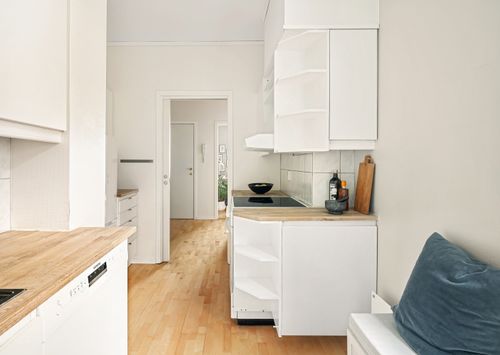
Styling Open Alcove Shelves Without Creating Clutter
Sep 21
10A bespoke bench with hidden storage makes the most of a bay, offering a comfortable spot for reading and watching the street.
read more
Building a Window Seat in a Bay Window
Sep 16
10Bay windows need flexible window dressings, so consider made-to-measure Roman blinds, thermal curtains or a combination that suits the room.
read moreAlcove Ideas
-

ERRIC CATONA
Victorian terraces often have awkward corners, but bespoke joinery, folding furniture and clever lighting can make every inch count.
May 19, 2016 at 5.12 pm
Reply
ERRIC CATONA
Use tall pull-out larders, wall rails and drawer dividers to keep utensils tidy without losing precious worktop space in a small kitchen.
May 19, 2016 at 5.12 pm
Reply -
ERRIC CATONA
You do not need a sea view to evoke the coast; weathered wood, soft blues and natural textures can create a relaxed seaside feel.
May 19, 2016 at 5.12 pm
Reply
Bay Windows
Your email address will not be published.